


Creating an event page that grabs attention and drives ticket sales is essential in today’s competitive landscape. Your event page is often the first point of contact between potential attendees and your event. This means it needs to make a strong impression and convert visitors into attendees quickly. A well-designed event page attracts more visitors, builds excitement, and encourages them to buy tickets or register.
Below are five strategies to help your event page stand out and perform better.
1. Use Engaging and Informative Content
Content is what pulls visitors in and keeps them engaged. It plays a crucial role in communicating the value of your event and helping people decide to attend. Begin with a compelling headline that captures attention.
This should be short, exciting, and action-driven, communicating the main benefit or attraction of the event. A great headline grabs attention immediately and encourages people to explore the rest of the page.
After the headline, provide a detailed description of the event. Keep the language simple and easy to read. Highlight what attendees can look forward to and explain why they shouldn’t miss the event. Break up the information into small, digestible sections, and include key details early in the text, such as:
- Date and time of the event
- Location (include venue details)
- Event schedule
- Key speakers or performers
Make sure this information is easy to find. People should be able to quickly scan the page and get the essential facts.
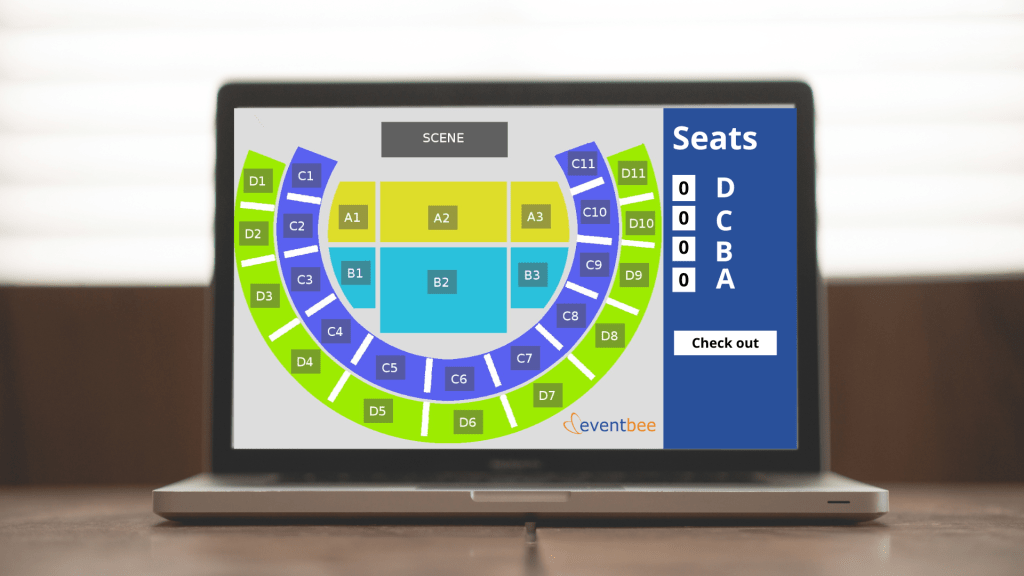
If your event has assigned seating, add a seating chart to make it easy for attendees to pick their preferred spots. Another useful element is a map with directions. This is especially helpful for visitors who aren’t familiar with the area.

2. Align Your Branding with the Event Page
Consistent branding throughout your event page helps build trust and creates a professional image. Use your brand colors and fonts across the page to maintain a cohesive appearance. This reinforces brand recognition and makes the page look more polished and visually appealing.
Your event’s logo should be easy to see, preferably at the top of the page. You can also use branded banners, headers, and graphics to strengthen the page’s look.
The tone of your content should reflect your event’s personality and resonate with your audience. For example, if your event is casual and fun, keep the language light and friendly. If it’s a formal or professional event, use clear, professional wording.
When the page reflects your brand’s identity, visitors feel more confident about the event. Your event’s style should be consistent across all elements, not just the visuals. It should also stay the same in the messages, CTAs, emails, and social media posts.

3. Add High-Quality Visuals to Capture Attention
Photos and videos are essential to how well your event page performs. High-quality visuals enhance the appeal and engagement of the page. Use professional images that highlight the key elements of your event. If it’s a recurring event, photos from past editions can help potential attendees picture themselves attending.
Videos are particularly effective because they provide a fast and dynamic way to share information. A short, well-made promotional video that showcases the best parts of the event can grab attention and spark interest. Keep videos under 60 seconds to maintain engagement.
Images of the venue, performers, and speakers are also valuable. They help people imagine the atmosphere and get excited about attending. If possible, include images of people having fun at previous events to create an emotional connection.
Make sure to optimize all images and videos to load quickly. If your page loads slowly, visitors may leave before exploring the content. Use compressed images and embed videos properly to ensure the page runs smoothly.

4. Leverage Social Media for More Visibility
Integrating social media into your event page can greatly increase your event’s visibility. Social media platforms allow you to reach a wider audience and create buzz around the event.
Add social media buttons to your page, so visitors can easily share the event with their followers. When people share your event, it can attract more attention and encourage others to attend. For example, buttons for Facebook, Twitter, and Instagram allow users to share the event quickly and easily.
If your event has a dedicated hashtag, make sure to display it on the page. This encourages attendees to use the hashtag and helps you track conversations about the event.
Another way to use social media is by embedding live feeds from platforms like Instagram or Twitter. Showing real-time posts and updates on your event page creates excitement and makes the page feel more interactive. It also gives visitors a sneak peek into the energy surrounding the event.

5. Use Clear and Actionable CTAs to Drive Conversions
A strong call-to-action (CTA) is essential for encouraging visitors to buy tickets or register for your event. Your CTAs should be clear, persuasive, and easily identifiable. Use action-oriented language that tells visitors exactly what to do, such as:
- “Buy Tickets Now”
- “Register Today”
- “Join the Event”
Place your CTAs strategically throughout the page. Include one at the top for visitors who are ready to act immediately. Place another CTA in the middle for people who need more details, and a final one at the bottom for those who read everything.
Employ contrasting colors for CTA buttons to ensure they stand out effectively. If the page background is light, choose bold or bright colors for the buttons. The text should be short and direct, making it easy for people to understand what action they are taking.
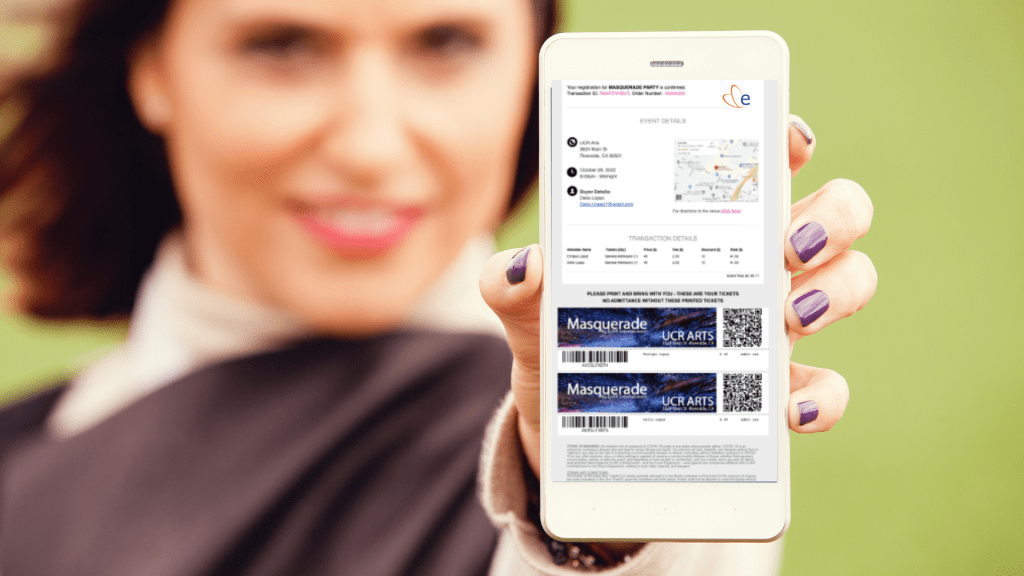
Ensure the ticket purchasing or registration process is simple and quick. Keep the process simple—fewer steps are always better. If the process is too complicated, visitors may leave without completing their purchase. Minimize the information required at checkout to reduce friction.

To wrap things up, to create a great event page, you need clear information, a consistent design, good images or videos, social media links, and easy-to-find action buttons. When you put these pieces together, your event page will look better and get more people to sign up or buy tickets.
Start with a catchy headline and provide a detailed description that highlights the key aspects of your event. Use your brand’s colors, fonts, and logos throughout the page to maintain a professional, cohesive look. Incorporate high-quality images and videos to make the event come alive and excite potential attendees.
Integrate social media to extend your reach and allow visitors to easily share the event. Finally, use strong, clear CTAs to guide visitors toward taking action. Make sure the process of buying tickets or registering is simple and user-friendly.
Using these strategies will help you build a unique event page that makes people want to attend. A well-designed event page can make all the difference in ensuring your event is a success.
 blog.eventbee.com
Leave a comment