
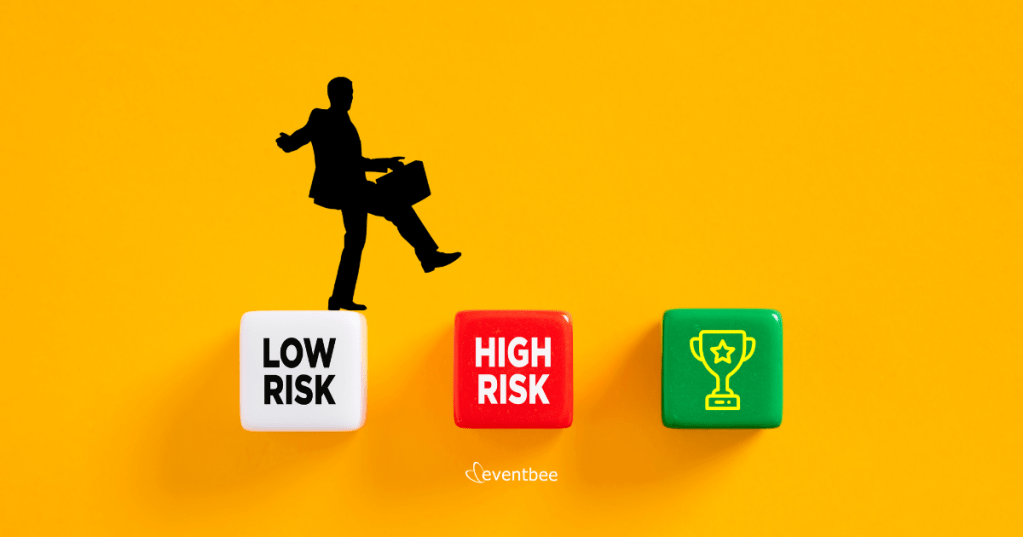
Organizing an event is both exciting and challenging. From concerts to conferences and festivals, the thrill of bringing people together is unmatched. However, events come with a unique set of risks.
If we don’t address these risks, they can cause financial losses. They may also lead to unhappy attendees or damage our image.
As an event organizer, it’s your responsibility to anticipate challenges and develop strategies to manage them. In this guide, we’ll dive into three major risks: event cancellations, chargebacks, and unmet expectations. For each risk, you’ll find practical solutions to ensure the success of your events.
1. Event Cancellations: Preparing for the Unexpected
Event cancellations are among the most disruptive challenges an organizer can face. Whether caused by extreme weather, logistical mishaps, or health concerns, cancellations can result in financial losses and disappointed attendees.
Why Cancellations Happen
Some of the most common reasons for cancellations include:
- Weather Conditions: Outdoor events are particularly vulnerable to sudden storms, high winds, or heatwaves.
- Health and Safety Issues: Public health emergencies, such as pandemics or outbreaks, can force last-minute cancellations.
- Venue Problems: Double bookings, structural damage, or safety violations can render a venue unusable.
- Logistical Failures: Delays in securing permits, equipment failures, or no availability of key personnel can derail your plans.
How to Mitigate the Risk
- Secure Event Insurance: Event insurance provides a safety net, covering financial losses caused by unforeseen cancellations. Make sure your policy covers risks specific to your event type, such as weather-related disruptions or health emergencies.
- Have a Refund Policy in Place: Communicate a clear and straightforward refund policy from the start. Attendees should know when and how they can request refunds. Clearly state the conditions for partial or full refunds in case of cancellations.
- Build Contingency Plans: Always have a backup plan. This could include booking an alternative venue, scheduling a rain date, or preparing a virtual format for your event.
- Communicate Proactively: If cancellation becomes inevitable, communicate with attendees promptly. Use multiple channels like email, social media, and SMS to ensure everyone is informed. Providing timely updates helps reduce frustration.
- Leverage Technology: Use event management software to automate notifications and manage refunds. These tools can streamline communication and reduce the administrative burden during a cancellation.
2. Chargebacks: Preventing Financial Setbacks
Chargebacks are a financial and logistical headache for event organizers. When attendees dispute charges with their credit card company, it hurts your revenue. It can also damage your reputation with payment processors.
Why Do Chargebacks Happen?
Chargebacks typically result from the following issues:
- Misunderstood Policies: Attendees may not be aware of refund or cancellation rules.
- Billing Confusion: If the name on their credit card statement does not match your event’s name, they may think the charge is fraudulent.
- Unhappiness: Can arise when attendees feel the event did not meet their expectations. In such cases, they may dispute the charge. Instead of asking for a refund, they might choose to challenge the payment.
- Fraudulent Activity: Some chargebacks happen because of real fraud. This occurs when someone uses stolen credit cards to buy tickets.
How to Mitigate the Risk
- Offer Clear Refund Policies: Ensure your refund policy is easy to understand and clearly displayed during ticket purchases. Include this information in confirmation emails and on your website.
- Provide Transparent Billing Information: Use a billing name that attendees will recognize. For example, instead of using your company name, include the event name alongside it to avoid confusion.
- Improve Customer Support: Provide several ways for attendees to contact you, like email, live chat, or a special phone line. Quick responses to concerns can prevent disputes from escalating into chargebacks.
- Invest in Fraud Detection Tools: Use secure payment gateways that include fraud detection features. These tools can flag suspicious transactions and reduce the risk of fraudulent chargebacks.
- Maintain Accurate Records: Keep a record of every transaction, including purchase details, communication with attendees, and refund logs. These records are invaluable for disputing a chargeback.
3. Meeting Expectations: Delivering on Your Promises
Your attendees come to your event with expectations shaped by your marketing and promotions. If you don’t meet those expectations, you risk damaging your reputation and losing future attendees.
Why Expectations Go Unmet
Unmet expectations often occur because:
- Poor Communication: A lack of clear and timely updates can leave attendees confused or disappointed.
- Promising more in Promotions: Overselling your event’s features can create unrealistic expectations.
- Functional Failures: Problems like delays, overcrowding, or technical issues can lead to discontent
How to Mitigate the Risk
- Set Realistic Expectations: Be transparent about what your event offers. If your event has limitations, such as restricted seating or a strict schedule, communicate these upfront.
2. Keep Attendees Informed: Use multiple communication channels, such as email campaigns, social media, and event apps, to share updates. Provide detailed information about:
- Event schedules
- Venue logistics
- Parking and transportation options
- Health and safety protocols
3. Focus on Attendee Experience: Prioritize the comfort and satisfaction of your audience. This includes:
- Providing adequate seating, food options, and restroom facilities
- Ensuring smooth registration and entry processes
- Offering engaging and interactive content during the event
4. Be Adaptable: Be prepared to handle unexpected situations, such as a keynote speaker canceling or technical issues with equipment. Flexibility and quick problem-solving can minimize disruptions and keep attendees satisfied.
5. Gather Feedback: After the event, request attendee feedback through surveys or social media polls. Use this input to identify areas for improvement and demonstrate your commitment to delivering better experiences in the future.
Additional Tips for Managing Event Risks
To further strengthen your event planning, consider these extra strategies:
1. Develop a Crisis Management Plan: Prepare for worst-case scenarios by creating a detailed crisis management plan. Include step-by-step procedures for handling emergencies, from medical incidents to emergency exits.
2. Partner with Reliable Vendors: Choose vendors and suppliers with proven track records. Reliable partners can reduce logistical risks and ensure smooth operations.
3. Invest in Staff Training: Train your staff to handle everything from customer complaints to technical issues. A well-prepared team can significantly improve the attendee experience.
4. Use Data to Make Decisions: Analyze data from previous events to identify trends and areas for improvement. Tools like ticketing analytics and attendee feedback can help you make informed decisions for future events.
5. Stay Up to Date with Industry Trends: Event management is a fast-evolving field. Stay informed about the latest tools, technologies, and best practices to remain competitive and adaptable.
Why Risk Management Is Non-Negotiable
Risk management is essential for any successful event. By addressing potential challenges early, you can protect your finances and reputation. This also helps ensure a positive experience for attendees.
In conclusion, hosting an event is more than just planning. Making memorable experiences and reducing possible risks is the focus. To protect your event’s success, focus on three main challenges: event cancellations, chargebacks, and unmet expectations.
Transparency, preparation, and flexibility are your best tools. Creating a clear refund policy, improving customer support, and preparing for unexpected emergencies are important steps. These actions will help you manage the challenges of event planning.
In the end, the goal is to deliver an event that attendees will remember for all the right reasons. When you manage risks effectively, your event becomes more than just an experience—it becomes a benchmark for success.



 blog.eventbee.com
Leave a comment