


Planning a successful event is more than just picking a date and a venue. Creating an experience that people want to be part of is the focus. To do this, you need strong promotion, seamless ticket sales, and active engagement with your audience.
Whether you are planning a conference, charity event, or community gathering, a good plan can make a difference. In this guide, we’ll cover essential tips to increase ticket sales, attract the right attendees, and ensure your event runs smoothly.
1. Define Your Event Goals and Identify Your Target Audience
A great event starts with having clear goals in mind. Ask yourself:
- What do you want to achieve with this event?
- Are you aiming to educate, entertain, raise funds, or build a community?
Having a clear objective shapes your decisions. It influences your ticket pricing, marketing campaigns, and even your event content.
Next, identify your target audience. Who are you trying to attract? When you know your audience, it’s easier to create an event they’ll love.
For example:
- If your target is young professionals, focus on networking opportunities and professional development.
- If it’s families, offer kid-friendly activities and discounts.
Pro Tip: Create audience personas. These are fictional profiles of your ideal attendees, including their preferences, goals, and pain points. Personas help you craft marketing messages that truly connect with your audience.
2. Use Social Media to Supercharge Event Promotion
Social media is one of the most effective ways to promote your event. Platforms like Instagram, Facebook, and LinkedIn let you reach a wide audience, often for free or with minimal costs.
Here’s how to make the most of social media:
- Tease the Event: Post sneak peeks, like behind-the-scenes photos or videos.
- Run Countdowns: Build excitement as the event approaches.
- Go Live: Use live streaming to share updates or answer audience questions.
- Collaborate: Partner with influencers or local businesses to reach more people.
Encourage attendees to share their excitement online. Create a branded event hashtag and promote it in all your posts.
Pro Tip: Offer discounts or free tickets for people who share your event on their social media profiles. This encourages sharing and helps spread the word.
3. Simplify Ticket Sales with a User-Friendly Platform
No one likes a complicated ticket-buying process. If potential attendees struggle to complete their purchase, they’ll abandon it—and you’ll lose sales.
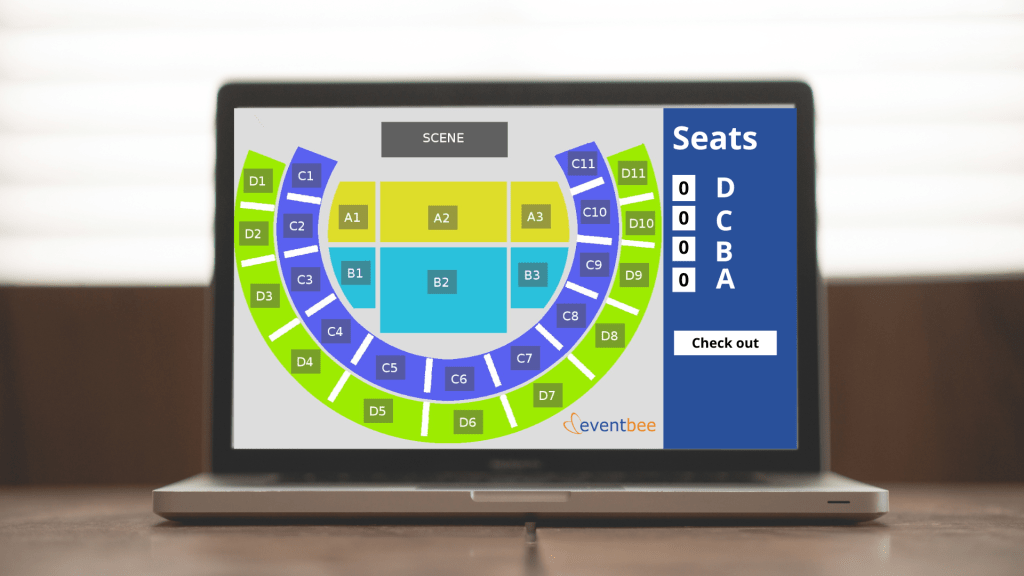
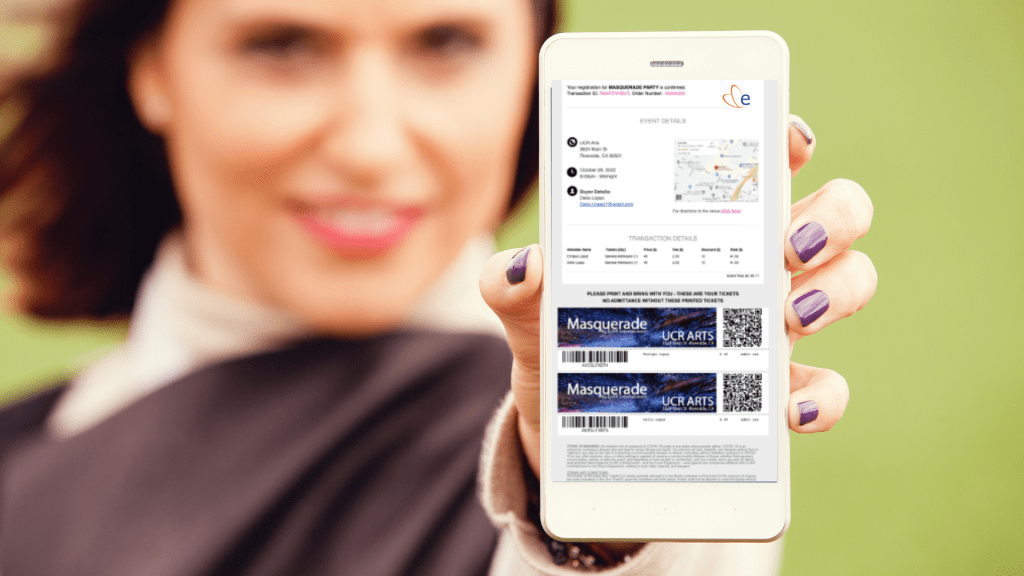
Choose an event platform that makes ticketing simple. Platforms like Eventbee provide easy ways to manage ticket sales, seating arrangements, and even promotional tracking.
Consider offering multiple pricing tiers:
- Early Bird Discounts: Reward people for buying tickets early.
- Group Discounts: Encourage attendees to bring friends or colleagues.
- VIP Tickets: Offer exclusive perks, like priority seating or special access.
Pro Tip: Reduce the number of steps in the checkout process. The faster people can buy a ticket, the better your chances of sealing the deal.
4. Design a High-Converting Event Page
Your event page is the centerpiece of your ticket sales strategy. Potential attendees decide whether to buy a ticket or move on there.
Here’s how to create a compelling event page:
- Use Engaging Visuals: High-quality photos or videos make your event feel exciting and professional. Show highlights from previous events, if possible.
- Include Clear CTAs: Your call-to-action buttons (like “Buy Tickets”) should be prominent and easy to find.
- Provide Essential Details: Include the event date, time, location, and a brief agenda. Avoid overwhelming visitors with too much text.
- Optimize for SEO: Use keywords such as “buy tickets for [event name].” This will help your event appear better in search engines.
If you have special promotions, like early bird pricing, highlight them at the top of the page to create urgency.
Pro Tip: Make sure your event page works well on mobile devices. Many people will browse and buy tickets on their phones.
5. Build Excitement and Engage Attendees Before the Event
Engagement doesn’t start on the day of your event—it starts weeks or even months before. Keep your audience excited and informed with regular updates.
Here are some ways to engage attendees early:
- Send Email Campaigns: Share sneak peeks, exclusive content, or reminders about the event.
- Create a Community Space: Use private Facebook groups or event apps where attendees can connect.
- Share Pre-Event Content: Post interviews with speakers, behind-the-scenes videos, or fun quizzes about your event theme.
Attendees build a sense of community and feel more invested. They’re more likely to attend, participate, and spread the word about your event.
Pro Tip: Offer early arrivals exclusive perks, like free merchandise or reserved seating. Rewarding early arrivals motivates people to arrive on time and feel appreciated.
6. Use Influencers and Partners to Expand Your Reach
Influencers and partnerships are awesome for getting your event noticed. Find people or brands that align with your event’s goals and audience.
For example:
- Partner with local businesses to offer joint promotions.
- Work with influencers to promote your event to their followers.
- Work with experts in your field to speak at your event or give it their stamp of approval.
Teaming up with the right people can help you reach new audiences you might miss otherwise.
Pro Tip: Give your partners or influencers unique discount codes to share with their audience. This helps you track the impact of each partnership.
7. Monitor Event Metrics to Improve Future Events
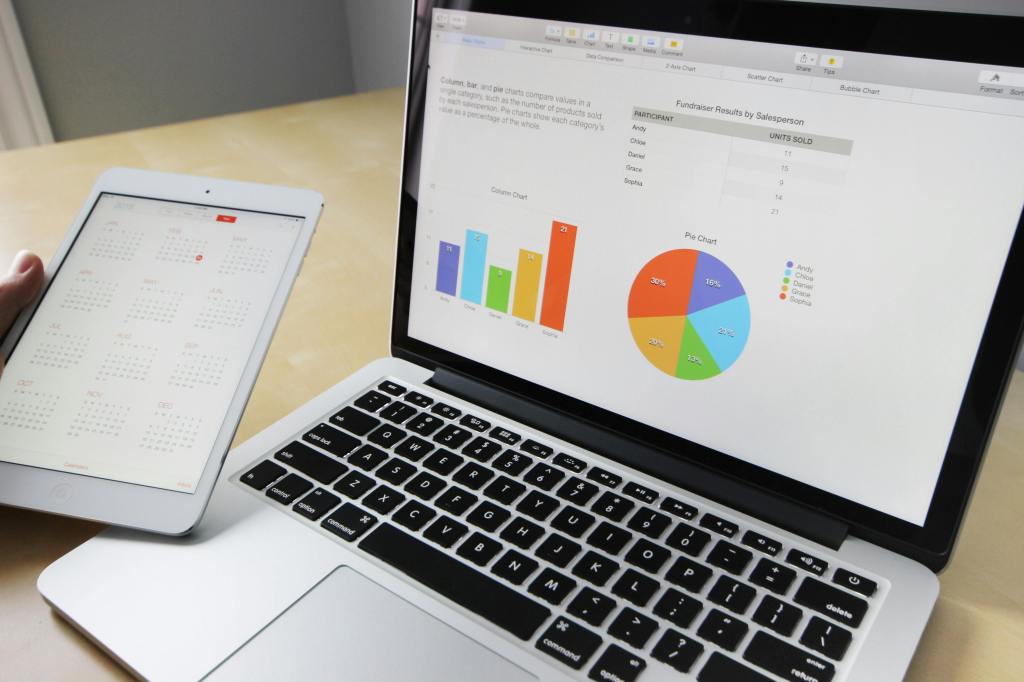
After your event ends, your work isn’t done. Use data to evaluate what worked well and where you can improve.
Here are key metrics to track:
- Ticket Sales: Analyze sales patterns to identify which promotions were most effective.
- Demographics: Understand who attended your event and tailor future events to their needs.
- Engagement: Measure how many people interacted with your social media posts or event app.
Collect attendee feedback through surveys or post-event emails. Ask what they liked, what could improve, and whether they’d recommend your event to others.
Pro Tip: Use these insights to refine your strategy. Even small tweaks can make a difference for your next event.
8. Create Post-Event Content to Keep Momentum Going
A successful event doesn’t end when attendees leave. Post-event content keeps people engaged and excited for what’s coming next.
Ideas for post-event content include:
- Photo Galleries: Share highlights on social media.
- Video Recaps: Create a short video showcasing the best moments.
- Thank-You Posts: Publicly thank your attendees, speakers, and partners.
This content keeps your event fresh in people’s minds and encourages them to attend your next one.
Pro Tip: Use post-event surveys to ask attendees what they’d like to see at future events. Hearing what people have to say helps you get better and keeps them coming back.
9. Leverage Technology to Streamline Planning
Event management tools can save you time and reduce stress. Platforms like Eventbee not only simplify ticketing but also offer features like tracking URLs to monitor promotion efforts.
Explore tools that handle tasks like:
- Email Marketing: Automate updates to your audience.
- Budget Tracking: Keep your event finances in check.
- Social Media Scheduling: Plan posts in advance to stay consistent.
The right tools make planning your event so much smoother and stress-free.
Pro Tip: Experiment with different tools to find the ones that work best for your needs. A well-organized process leads to better results.
10. Build Long-Term Relationships with Your Audience
The best events create lasting impressions. Build connections with your attendees so they’ll want to come back next time.
Here’s how:
- Stay in Touch: Send periodic updates about your brand or upcoming events.
- Reward Loyalty: Offer discounts or exclusive perks for repeat attendees.
- Ask for reviews: Positive reviews and testimonies can help attract new attendees.
Show people you appreciate them, and they’ll stick with you for future events.
In conclusion, planning a successful event takes effort, but it’s worth it. Set clear goals, know your audience, and use the right tools to boost ticket sales and create a memorable event.
From engaging promotions to seamless ticketing platforms like Eventbee, every step matters. Keep refining your strategy, listen to attendee feedback, and always look for ways to improve.
These tips will help you host events that are both successful and memorable for everyone.
 blog.eventbee.com
Leave a comment