
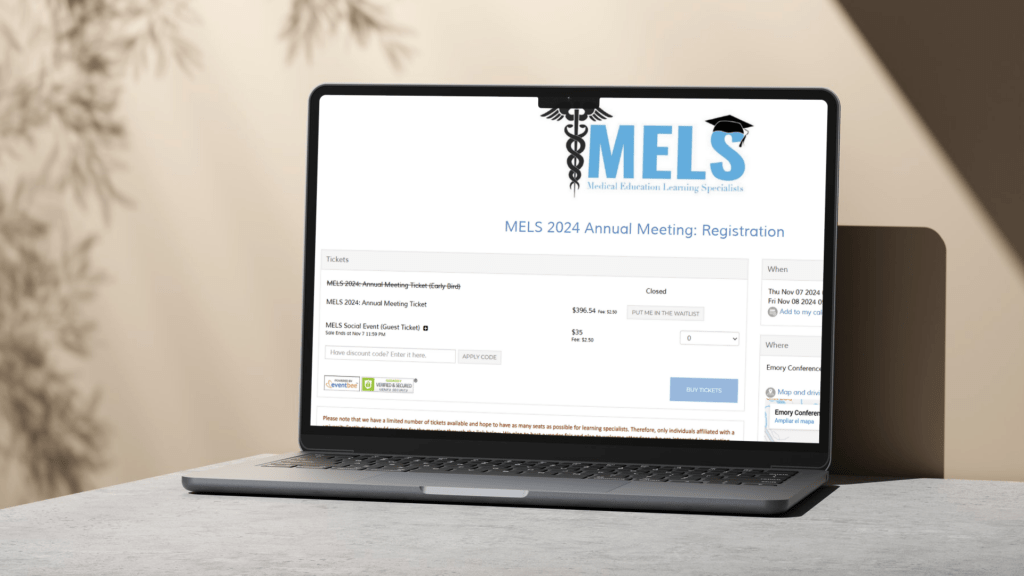
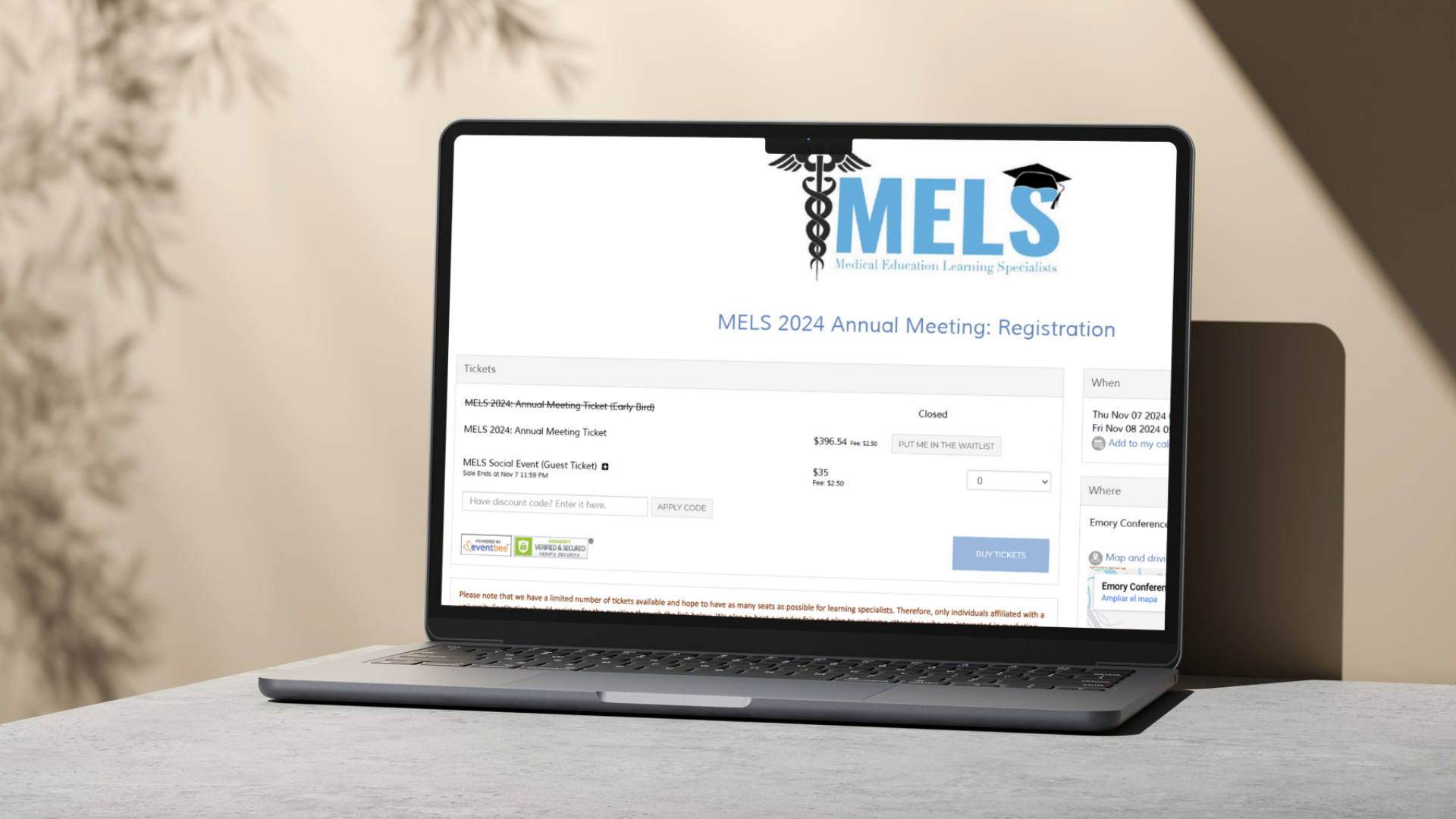
Managing an event with many sessions can be tough. This is especially true when some sessions are only for certain ticket holders.
Conditional ticketing simplifies the process. It enables organizers to determine which tickets each attendee may purchase. This decision depends on the tickets they already own.
This feature simplifies the registration process, personalizes attendee experiences, and helps you maximize revenue. Here’s everything you need to know about conditional ticketing and how to make it work for your event.
What is Conditional Ticketing?
Conditional ticketing helps organizers limit ticket choices for attendees depending on what they’ve already purchased. For example, people with a general admission ticket can attend basic sessions. VIP ticket holders can join special workshops or networking events. This lets organizers shape the attendee experience and control access to each part of the event.
Benefits of Conditional Ticketing
Conditional ticketing offers many advantages for event planners, including:
Better Attendee Segmentation
With conditional ticketing, you can categorize attendees based on the sessions they register for. This segmentation allows you to offer targeted experiences and improve satisfaction for each attendee.
Increased Revenue Opportunities
By reserving certain sessions for higher-paying ticket holders, you encourage attendees to upgrade to premium tickets. This can increase revenue for your event by adding value through exclusive content.
Simplified Event Management
With clear access control, organizers can manage event logistics more effectively. By limiting access to specific ticket holders, you avoid overcrowding in certain sessions and create a more organized event.
How Conditional Ticketing Works
Implementing conditional ticketing is straightforward, but it requires careful planning. Here’s how to set it up:
Define Your Ticket Types
Start by identifying the types of tickets you want to offer. Examples include General Admission, VIP Access, and Workshop Tickets. For each type, decide who can access what. VIPs can enter exclusive areas, while general ticket holders can only join standard sessions.
Set Conditions for Each Ticket Type
After defining the ticket types, create conditions for each. For example:
- To attend a paid workshop, attendees must first buy a General Admission ticket.
- Only VIP ticket holders can access a post-event networking session.
Test Your Setup
Crucial to test your conditional ticketing setup before making it public. Many event platforms have preview modes, letting you experience the process as attendees would. This helps catch errors and ensure everything works smoothly.
Common Uses for Conditional Ticketing
Here are some examples to help you visualize how conditional ticketing can make a difference:
Conferences with Paid Add-Ons
Imagine a business conference with various sessions throughout the day. You want attendees to register for a General Admission ticket to access main events. Only those with this ticket can then buy add-ons, like a paid workshop or training session. This ensures that only fully registered attendees gain access to premium experiences.
Exclusive VIP Events
For high-profile events, offering a VIP ticket with extra benefits adds value. For example, only VIP ticket holders can attend a private networking event or VIP-only dinner. This makes the VIP ticket more appealing and gives attendees a reason to upgrade.
Multi-Day Events with Tiered Access
Certain events, like festivals or trade shows, span multiple days. With conditional ticketing, you can limit access to certain days or sessions based on ticket type. For example, people with a standard ticket can attend the event for two days. VIP ticket holders can join all three days and extra exclusive sessions.
Implementing Conditional Ticketing on Your Platform
Many ticketing platforms offer conditional ticketing as a feature. Here’s a general approach to setting it up:
Choose a Ticketing Platform with Conditional Options
Look for a platform that supports conditional ticketing features. Make sure it allows you to set requirements and restrictions for specific ticket types.
Set Clear Purchase Paths for Attendees
Decide how attendees will navigate through ticket options. For example, a person should know to buy a General Admission ticket before getting a Workshop ticket. This helps clarify the steps in the ticket-buying process.
Optimize Pricing and Access Control
Set prices according to the value of each ticket. Offer exclusive experiences with premium tickets to entice attendees to pay more, enhancing their experience and your revenue.
Use a Preview Tool to Ensure Accuracy
Preview the ticketing process to ensure everything works as expected. This helps avoid confusion and potential frustration for attendees.
Benefits of Conditional Ticketing for Attendees
Conditional ticketing isn’t only useful for organizers—it also benefits attendees. Here’s how:
Streamlined Experience
Conditional ticketing removes unnecessary choices for attendees, guiding them toward the most relevant options. This simplifies the registration process, making it faster and easier.
Clear Expectations
Attendees understand what they are paying for and the access they will receive. By setting clear conditions, you reduce the risk of confusion about access or session availability.
Enhanced Value with Tailored Sessions
Conditional ticketing lets attendees choose sessions relevant to them without sifting through unrelated options. This personalization creates a more satisfying event experience.
Maximizing Event Success with Conditional Ticketing
Conditional ticketing can transform how you organize and manage events. It gives you control over attendee access, which can be crucial for large or complex events. Here are some tips for maximizing the benefits of conditional ticketing:
Plan Your Ticket Types and Access Levels Carefully
Spend time planning which access levels you want to offer. Think about attendee needs, event goals, and revenue targets. Tailoring your ticket options to align with these factors will enhance your event’s overall success.
Use Conditional Ticketing to Encourage Upgrades
Create exclusive sessions or perks that encourage attendees to buy higher-level tickets. This can boost revenue and add value to the event, as attendees get more from their experience.
Communicate Clearly with Attendees
Make sure attendees understand the conditions. Clearly explain on your website or in marketing materials what each ticket includes and what options it unlocks.
In conclusion, conditional ticketing is a versatile tool that enhances event planning by controlling who can access specific sessions. This approach streamlines event management, increases revenue, and improves the overall attendee experience. By carefully implementing conditional ticketing, event organizers can create a more structured, valuable, and memorable event for all participants. Embrace this feature to elevate your next event and provide a personalized, organized, and impactful experience for your attendees.


 blog.eventbee.com
Leave a comment